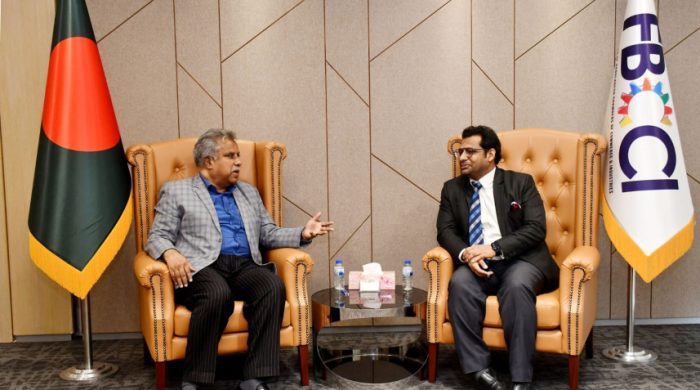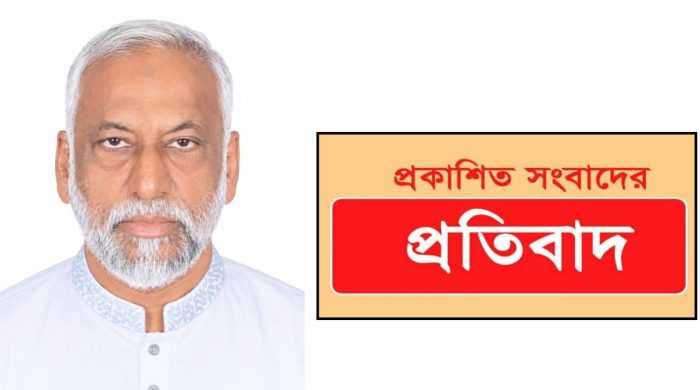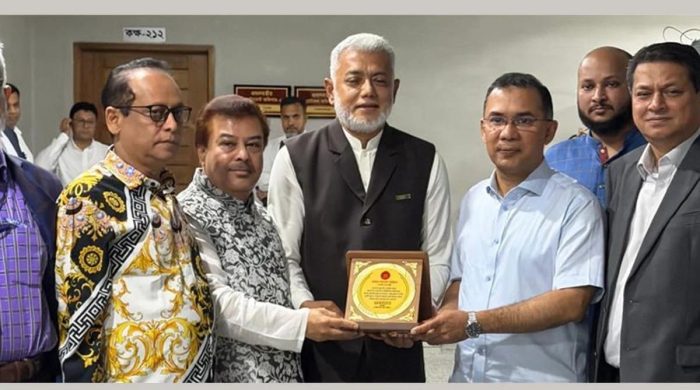
Dhaka, July 23: The President of the Real Estate and Housing Association of Bangladesh (REHAB), Dr. Ali Afzal, has presented a six-point proposal to Prime Minister Tarique Rahman aimed at accelerating the country’s housing sector, promoting planned urbanization, and ensuring affordable housing for citizens.
During a meeting held at the Cabinet Division in the Secretariat on Wednesday afternoon, the Prime Minister acknowledged REHAB’s contribution to Bangladesh’s economy and described the housing industry as one of the key driving forces of national economic growth. He assured the REHAB delegation that the government would positively consider the proposals and take necessary measures where appropriate.
Addressing the meeting, Dr. Ali Afzal said REHAB, as the government’s recognized national trade body for the real estate sector, has been working for more than 35 years as a development partner in promoting planned urbanization and housing development.
He noted that the housing sector currently generates employment for approximately five million people and contributes around 15 percent to Bangladesh’s GDP. He also highlighted that more than 300 backward and forward linkage industries—including cement, steel, bricks, ceramics, tiles, glass, paint, electrical equipment, sanitary products, furniture, and transportation—depend on the real estate sector.
REHAB’s Six-Point Proposal
REHAB proposed the formulation of a comprehensive National Land Zoning Policy considering projected population growth, urbanization, and housing demand through 2100. The proposal recommends scientifically classifying land across the country into agricultural, forest, water bodies, residential, commercial, industrial, and conservation zones, each governed by specific land-use regulations. REHAB also called for a review and modernization of the existing Detailed Area Plan (DAP) and building regulations to facilitate planned vertical urban development.
The association proposed launching affordable housing projects for low-income and lower-middle-income families under Public-Private Partnership (PPP) arrangements. According to REHAB, combining government land and policy support with private-sector investment and expertise would help ensure safe and affordable housing for economically disadvantaged citizens.
REHAB recommended introducing a special long-term housing loan scheme with single-digit interest rates for middle-income families. It argued that affordable mortgage financing, similar to practices in many developed countries, would enable millions of families to achieve home ownership while stimulating the housing market.
The association urged the government to reduce land and apartment registration costs to 5 percent, bringing Bangladesh closer to regional standards. It also proposed a more realistic, investment-friendly, transparent, and fully digital tax system, arguing that lower transaction costs would encourage the declaration of actual property values and increase government revenue.
REHAB requested the withdrawal of the recently imposed 15 percent capital gains tax on landowners involved in apartment development. The organization argued that the tax creates an additional financial burden before any actual profit is realized and ultimately increases apartment prices for homebuyers.
The association called for complete digitalization of building plan approvals as well as land and apartment registration procedures to reduce bureaucratic delays, unnecessary administrative complexities, and unwanted interference. REHAB said a fully digital system would improve transparency, accountability, efficiency, and ease of doing business.
Prime Minister’s Response
Responding to the proposals, Prime Minister Tarique Rahman reportedly said the housing industry is one of the principal drivers of the national economy and that its sustainable growth is essential for Bangladesh’s overall economic development.
He said the government is working to establish a transparent, accountable, investment-friendly, and corruption-free environment for the real estate sector. He also stressed that urbanization should not remain Dhaka-centric but should be extended to other regions of the country while protecting agricultural land.
The Prime Minister further said he does not believe that RAJUK or the government should directly engage in housing business. Instead, he emphasized that PPP-based housing initiatives could play a significant role in ensuring affordable housing for the public.
After listening to REHAB’s presentation, he assured the delegation that the government would carefully review the proposals and take necessary actions.
Following the meeting, Dr. Ali Afzal expressed optimism that implementation of the proposals would strengthen the housing sector, facilitate planned urban development, and make home ownership more attainable for middle-income families.