Special Correspondent:
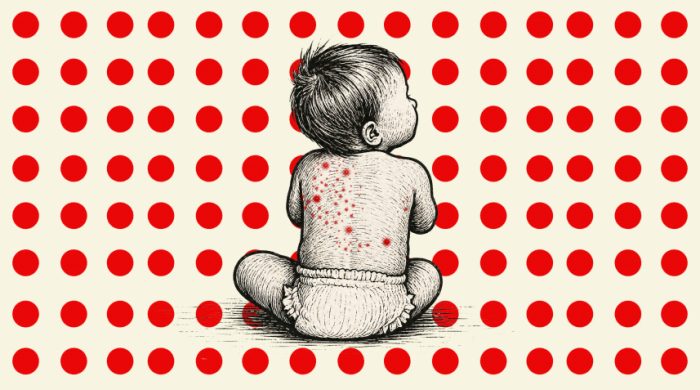
A recently circulated video on social media has once again raised serious concerns about the safety and protection of children studying in Qawmi madrasas across Bangladesh.
The nearly six-minute video, whose authenticity and exact location could not be independently verified, appears to show a teacher brutally beating several children. Regardless of its origin, the footage has sparked renewed debate over child protection, institutional accountability, and the responsibilities of religious educational institutions.
The issue extends beyond a single madrasa or an individual teacher. It highlights broader concerns about child safety, oversight, and accountability within Bangladesh’s vast Qawmi madrasa education system.
Qawmi madrasas educate millions of children, many of whom come from poor, underprivileged, or orphaned backgrounds. Thousands of students live in residential institutions, where parents entrust teachers and administrators with not only their education but also their care and well-being.
When a child faces abuse inside such an institution, however, an important question arises: who is responsible for protecting that child?
According to Befaq-ul-Madarisil Arabia Bangladesh, approximately 32,730 registered madrasas operate under its supervision, serving an estimated seven million students. Other Qawmi education boards also oversee a significant number of institutions, making child protection a national concern.
Over the years, Bangladeshi media have reported numerous allegations involving physical abuse, sexual harassment, and sexual assault in madrasas. During 2025 and 2026, several madrasa teachers were arrested following allegations of child sexual abuse and rape.
It is important to note that allegations alone do not establish guilt. Every complaint must be investigated impartially, and any criminal responsibility should be determined through due legal process. Nevertheless, repeated reports of similar incidents warrant closer attention rather than being dismissed as isolated cases.
Many cases may never reach the public. Children living away from their families often struggle to report abuse due to fear, intimidation, social stigma, or concern about losing access to education and shelter. Parents may also hesitate to file complaints because of social pressure or concerns about speaking against religious institutions.
Child rights advocates have long warned that the actual number of abuse cases may be significantly higher than officially reported.
Physical punishment also remains a major concern. Videos and reports frequently show children being beaten with sticks, physically assaulted, or subjected to humiliating treatment. Bangladesh’s High Court declared corporal punishment in educational institutions unconstitutional in 2011, and subsequent government directives prohibited both physical and psychological punishment in schools.
This raises an important question: how effectively are these protections implemented within Qawmi madrasas?
No educational institution should be exempt from child protection laws. Whether a child studies in a government school, private school, English-medium institution, or Qawmi madrasa, every child deserves equal protection under the law.
Although Qawmi madrasas traditionally operate outside direct government control and receive limited public funding, the State still bears the constitutional and moral responsibility to safeguard every child. Bangladesh is also a signatory to the United Nations Convention on the Rights of the Child, committing itself to protect children from all forms of violence, abuse, and neglect.
At the same time, it would be inaccurate to portray every Qawmi madrasa as unsafe. Many institutions provide quality religious education with dedicated teachers committed to students’ welfare. Their contribution should not be overlooked.
However, institutions facing allegations of abuse must be subject to transparent investigations and meaningful accountability. Individual wrongdoing should not tarnish an entire education system, but neither should religious identity become a shield against justice.
Experts argue that comprehensive child protection mechanisms are urgently needed. Residential madrasas should establish confidential complaint procedures, investigate allegations promptly, and immediately notify law enforcement in serious cases. Attempts to settle criminal allegations privately should not be tolerated.
Teacher training should also be strengthened, focusing on child psychology, non-violent discipline, and safeguarding standards. Relevant institutions, including Islamic educational authorities, could play an important role in developing such programmes.
Qawmi education boards should expand their responsibilities beyond examinations and curricula to include student safety and institutional oversight. Consideration may also be given to maintaining lawful records of individuals convicted of child abuse to prevent them from being re-employed in educational institutions.
Ultimately, violence against children should never be justified as discipline.
Islam emphasises compassion, kindness, and mercy towards children. The example of the Prophet Muhammad (peace be upon him) reflects care and respect for young people, leaving no place for brutality or humiliation in education.
Parents send their children to madrasas with the hope that they will receive knowledge, moral guidance, and religious values—not violence or abuse.
The issue, therefore, extends far beyond Qawmi madrasas. It concerns the responsibility of the State, society, educational authorities, religious leaders, parents, and all stakeholders committed to protecting children.
Every child, regardless of family background or educational institution, deserves equal safety, dignity, and protection. Ensuring that protection requires long-term reforms, stronger accountability, and coordinated action rather than temporary public outrage following viral videos.
Because no institution’s reputation should ever outweigh a child’s right to safety.