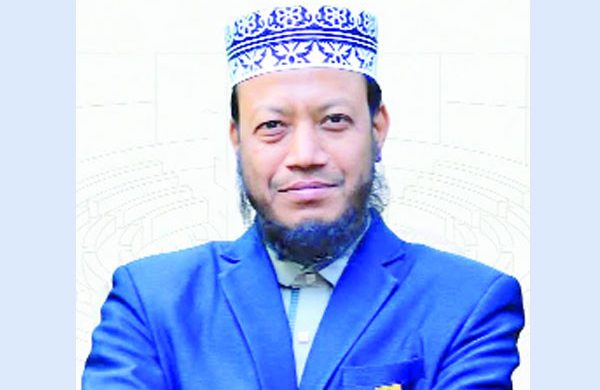
No evidence of artificial intelligence (AI) technology being used in the audio recordings of alleged conversations circulated on social media in the name of Mufti Amir Hamza, Member of Parliament for Kushtia-3, has been found, fact-checking organisation The Dissent has reported.
According to the organisation, the audio recordings were examined using multiple online tools to determine their authenticity. The Dissent also attempted to collect statements from the individuals concerned and gather other supporting evidence. However, it was unable to contact Amir Hamza or his close associates. As a result, the identities of the people involved in the conversations and the context in which they took place could not be independently verified.
According to The Dissent’s report, on November 6, Rashed Khan, political assistant to Prime Minister Tarique Rahman, claimed in a Facebook post that he had audio and video recordings of alleged conversations involving Amir Hamza and a woman. He also claimed that fact-checking had confirmed the authenticity of the material.
In the leaked audio recordings, a person identified as Amir Hamza’s voice can allegedly be heard apologising, expressing remorse and seeking forgiveness from the people concerned.
In one part of the conversation, the speaker says, “I have no anger, resentment or grievances against you. Whether it happened because of Satan’s deception or because I fell into the trap of my own desires, I myself regretted it afterwards.”
In another segment, the speaker expresses concern that the situation has escalated despite repeated apologies and assurances that no harm would come to anyone involved.
Meanwhile, Amir Hamza addressed a religious gathering at Hazaradighi Uttarpara in Nungola Union of Bogura on November 6. During his speech, he alleged that his reputation was being damaged and denied any connection to the statements being circulated against him. He expressed anger and blamed India and other individuals for the incident.
However, Amir Hamza did not directly claim at the gathering that the audio recordings circulated in his name had been generated or edited using AI. Subsequently, some social media users and online news portals interpreted parts of his speech as suggesting that the audio and video clips had been created using artificial intelligence.
The Dissent said its examination of the recordings using multiple online tools found no evidence of AI involvement. However, the organisation cautioned that the technical findings do not establish the original source of the recordings or verify the context of the alleged conversations.
Following the circulation of the alleged audio recordings in Amir Hamza’s name, Rashed Khan became the target of widespread negative campaigns on social media.
According to The Dissent’s investigation, at least 118 negative videos targeting Rashed Khan were published over the past four days. The videos reportedly included derogatory references to him, personal and family attacks, accusations of being anti-religious, as well as objectionable AI-generated images and fabricated audio recordings.