Allegations of administrative pressure, a proposed separate fund and a last-minute cancellation of a press conference raise questions over transparency in railway procurement.
A fresh controversy has emerged surrounding the enlistment of supplier companies for Bangladesh Railway, with allegations of attempts to influence administrative decisions, mobilise businessmen to exert pressure, establish a separate fund and disrupt the regular administrative process.
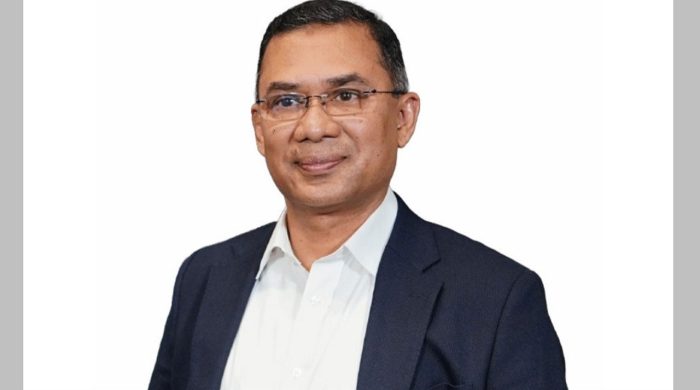
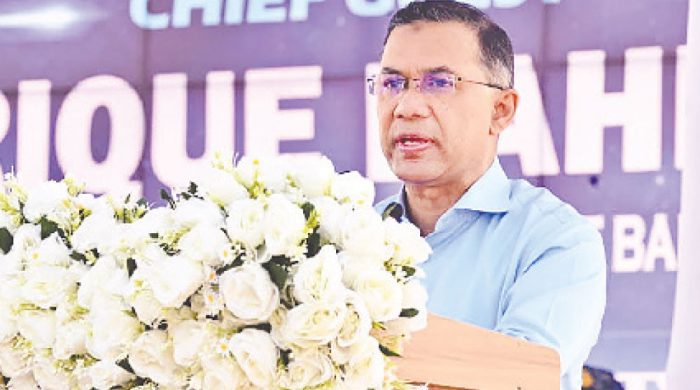
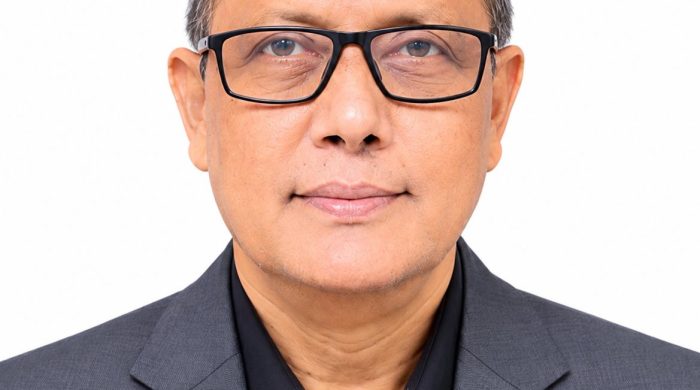
The controversy has brought the alleged activities of a group, informally referred to as the “Chowdhury Syndicate”, into the spotlight. At the centre of the allegations are Ferdous Huda Chowdhury, president of the Bangladesh Railway Spares and Accessories Suppliers Association, and his elder brother, Lucky Huda Chowdhury, who resides in Canada.
Several railway-linked businessmen and sources familiar with the developments have alleged that a particular business group is attempting to exert pressure on the railway administration to advance its commercial interests in connection with the ongoing supplier enlistment process.
According to the allegations, the group’s activities include questioning administrative decisions, creating confusion among suppliers and attempting to secure business advantages for selected companies. However, these claims require independent verification, and the individuals concerned should be given an opportunity to respond.
The enlistment process is closely linked to the procurement and supply of locomotive spare parts, maintenance equipment and other essential railway components. Any undue influence or disruption in this process could potentially affect the railway’s regular operations.
Questions have also resurfaced over previous allegations involving a company reportedly associated with Ferdous Huda Chowdhury.
The allegations include irregularities in the procurement and supply of traction motors, inconsistencies regarding the use of a foreign manufacturer’s identity and the supply of spare parts at allegedly unusually high prices.
Claims have also been made regarding an investigation by the Anti-Corruption Commission (ACC) and possible blacklisting proceedings involving the company. The status and outcome of any such investigation or administrative action, however, need to be established through official records.
Other allegations include concealing the identity of foreign manufacturers, creating artificial shortages of locomotive spare parts and favouring selected suppliers.
The complainants claim that similar tactics may now be employed to secure commercial advantages through the ongoing enlistment process. They have also questioned the alleged involvement of Ferdous Huda Chowdhury and his brother, Lucky Huda Chowdhury.
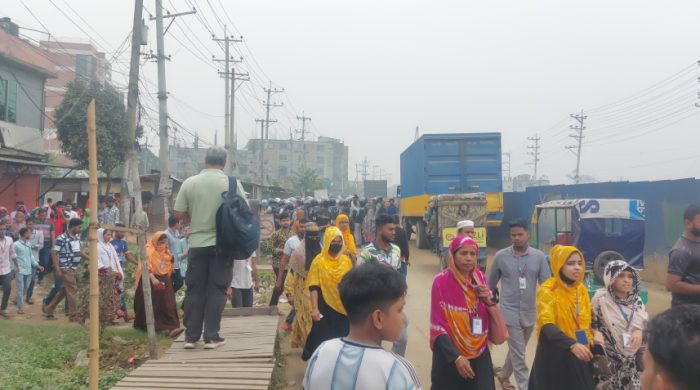
On November 18, a gathering of businessmen reportedly took place at the office of the Chief Controller of Stores (CCR) of Bangladesh Railway in Chattogram over the supplier enlistment process.
According to allegations, the gathering created a situation resembling a demonstration or office encirclement, with attempts to exert pressure on railway officials over administrative decisions.
Sources familiar with the developments further alleged that, during the gathering, a conversation took place with Canada-based Lucky Huda Chowdhury through a mobile phone’s loudspeaker.
According to these accounts, discussions reportedly involved the formation of a separate fund, the collection of money and the implementation of subsequent programmes.
However, the actual purpose of the proposed fund, its sources of financing, the individuals responsible for managing it and the intended use of the money remain unclear.
Independent verification of the alleged conversation, including any available audio recordings, eyewitness accounts and financial transaction records, would be necessary to establish the facts.
A separate incident on November 21 has added another dimension to the controversy.
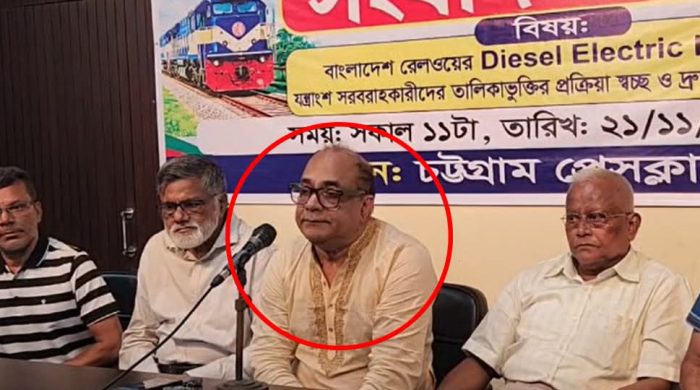
A press conference reportedly organised at the initiative of Ferdous Huda Chowdhury was cancelled at the last minute, leaving invited journalists waiting for nearly an hour.
According to accounts from those present, no written statement or formal explanation was provided to the journalists regarding the cancellation.
There are also allegations that the decision was taken unilaterally by Ferdous Huda Chowdhury despite objections from other members of the organising committee.
The circumstances surrounding the cancellation have prompted questions about whether concerns over journalists’ questions or scrutiny of previous allegations played any role in the decision. No independent evidence has yet established the reason for the cancellation.
The incident reportedly caused dissatisfaction among journalists who had attended the event.
If substantiated, allegations of organised pressure, questionable fundraising initiatives and attempts to influence government procurement decisions could raise serious concerns about transparency and accountability within Bangladesh Railway.
The issue is particularly significant given the railway’s dependence on a reliable supply of locomotive spare parts and maintenance equipment. Any disruption to procurement or supply chains could aggravate existing operational challenges, potentially affecting train services and passenger convenience.
Several key questions remain unanswered:
Observers believe that an impartial investigation by Bangladesh Railway authorities and relevant oversight bodies, including the Anti-Corruption Commission, may be necessary to establish the facts and ensure accountability.
Journalists reportedly attempted to obtain comments from Ferdous Huda Chowdhury regarding the allegations during the scheduled press conference, but he did not provide a substantive response.
His position on the allegations, as well as any response from Lucky Huda Chowdhury and the companies concerned, should be sought before drawing conclusions. Their comments will be incorporated if and when they become available.
Bangladesh Railway is a public institution and must not become a platform for advancing the interests of any individual, family or particular business group.
Ensuring transparency in supplier enlistment, fair competition, participation by qualified suppliers and genuine manufacturers, and independence in administrative decision-making remains essential to protecting the public interest and maintaining the integrity of the country’s railway procurement system.