Reporter Shafayet Hossain:
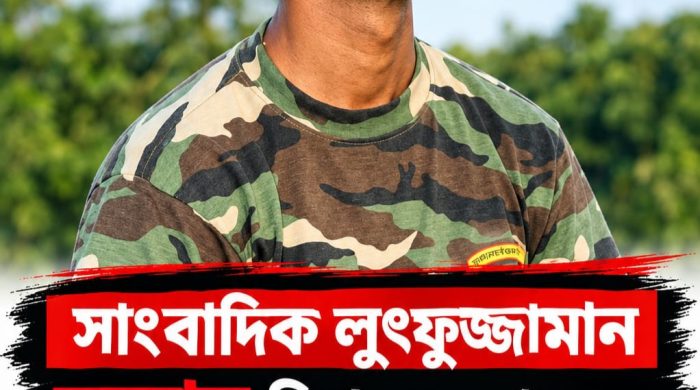
NETRAKONA, Bangladesh Journalists and leaders of various journalist organizations across Bangladesh have strongly condemned the killing of journalist Lutfuzzaman Alif, who was reportedly shot dead in Netrokona on October 15, 2026. They have demanded the immediate identification and arrest of those responsible, a fair and transparent investigation, and exemplary punishment for the perpetrators.
The killing has sparked widespread anger and concern among members of the journalistic community, with renewed calls for effective measures to ensure journalists’ safety and the enactment of a dedicated Journalist Protection Act.
Leaders of the Mohammadpur and Mirpur Journalists Press Clubs expressed deep concern over the incident, describing journalists as the conscience of the nation. They said journalists work tirelessly to expose the truth, challenge injustice and protect public interests.
From Teknaf to Tetulia and from Rupsha to Pathuria, journalists across the country continue to work for people’s rights, justice and national sovereignty. However, the killing of a journalist while performing professional duties raises serious questions about the safety and security of media workers, they said.
According to information provided by journalist circles, Alif was attacked with a machete at the Teribazar Ghat on the Someshwari River in Netrokona on November 10, 2025. Nearly 11 months later, reports emerged that he had been shot dead on the night of October 15, 2026.
The circumstances surrounding the previous attack, the legal measures taken at the time, and the progress of the investigation have now come under renewed scrutiny.
Journalist leaders have called for a thorough review of the earlier attack to determine whether it was connected to the latest killing. They have also urged law enforcement agencies to investigate allegations that Alif may have been targeted because of his stance against drugs and smuggling or posts he published on social media.
However, the motive behind the killing has yet to be established, and the allegations require verification through an impartial investigation.
Journalists have further demanded that anyone suspected of planning, financing, directing or assisting in the murder be identified and brought to justice.
Following a post-mortem examination, Alif was reportedly buried at his family home in Kalmakanda upazila of Netrokona after Friday’s Asr prayers. His family was also reportedly preparing to file a case with the police.
Ahmed Abu Zafar, president of the central committee of the Bangladesh Mofussil Sangbadik Forum (BMSF) and the Journalists’ Repression Prevention Committee, Bangladesh, warned that stronger programmes would be announced if no visible progress was made in the investigation.
In a statement sent to the media, he said a series of killings of journalists and a persistent culture of impunity had created deep concern throughout the journalistic community.
“Journalists can no longer remain silent,” he said, emphasizing that the murder of a journalist is not merely the loss of a life but also a serious attack on press freedom, freedom of expression and media security.
Zafar called on the government to enact an effective Journalist Protection Act without delay. He added that his organizations were closely monitoring the investigation and could announce tougher programmes at any time if meaningful progress was not made.
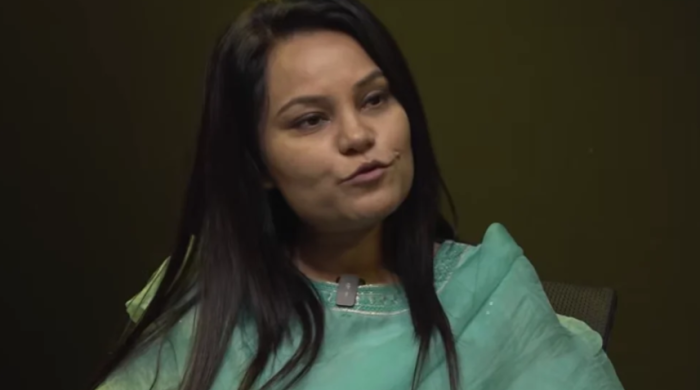
Reporter Shafayet Hossain has strongly condemned Alif’s killing and called on journalists across the country to unite in demanding justice.
“We journalists work to uphold people’s rights, truth and justice. It is deeply alarming if journalists have to pay with their lives for reporting on injustice, corruption, drugs and crime,” Hossain said.
He stressed that a journalist’s professional affiliation must not determine the value placed on their life. Whether someone works for a small newspaper, an online news outlet or an IP television channel, ensuring their safety is the responsibility of the state, he said.
“Today, a journalist working in a rural area has been killed. Tomorrow, another journalist could face the same fate. Are journalists to be silenced in this way?” he asked.
Hossain warned that attacks on journalists for publishing the truth could also undermine ordinary citizens’ access to justice.
He urged journalists working for national and regional newspapers, television channels, print media, electronic media and online news outlets to stand together until justice is secured.
He also called for peaceful and lawful protests, including work stoppages, human chains, demonstrations and rallies, if necessary.
Hossain appealed to law enforcement agencies to identify and arrest those responsible as quickly as possible. He also urged the local administration, the superintendent of police, the relevant police station and investigating officers to ensure a transparent and impartial investigation.
Any evidence of negligence or misconduct during the investigation, he said, must also be examined appropriately.
“No one is above the law,” he emphasized.
Hossain said he would continue to demand justice for Alif and seek accountability from the relevant authorities wherever necessary. He stressed, however, that all actions must be based on evidence, professional ethics and lawful procedures.
Expressing solidarity with journalist leaders, including SM Zafar, whom he described as a senior figure and a leader of journalists working in rural areas, Hossain said unity was essential to protecting journalists’ rights and ensuring justice.
He added that journalists should be able to perform their professional duties without fear, and that suspects must be brought to justice through an impartial investigation regardless of their identity, influence or position.
Journalist organizations have put forward eight key demands following Alif’s killing:
Journalist leaders have warned that further delays in securing justice for murdered journalists will not be acceptable. They said continued impunity, despite repeated assurances of investigations, would deepen concerns over the safety of media professionals across the country.
The Bangladesh Mofussil Sangbadik Forum and the Journalists’ Repression Prevention Committee, Bangladesh, have indicated that they may launch a series of nationwide programmes if there is no visible progress in the investigation within a reasonable timeframe.
Possible programmes include work stoppages, human chains, protests, demonstrations, rallies, submission of memorandums to the authorities and long marches, with the participation of journalists from across the country.
The journalistic community hopes that a thorough investigation will identify those responsible for Alif’s killing and ensure that they face a speedy trial. It has also called on the government and relevant authorities to take effective measures to prevent future attacks and ensure that no journalist loses their life while carrying out professional responsibilities.
Hossain concluded with a call for justice and press freedom: “We demand justice for the killing of journalists. We demand security for journalists. An environment that protects independent journalism and upholds truth and justice must be ensured.”