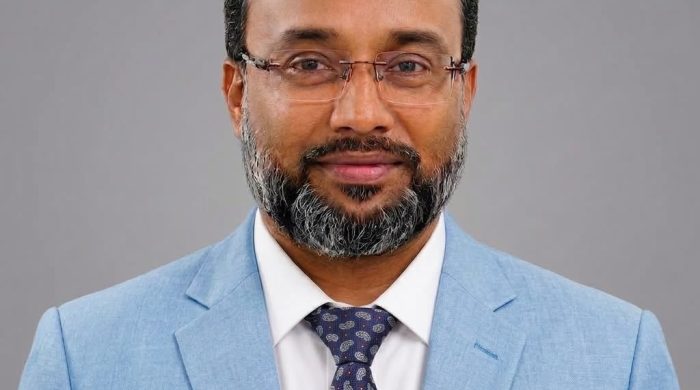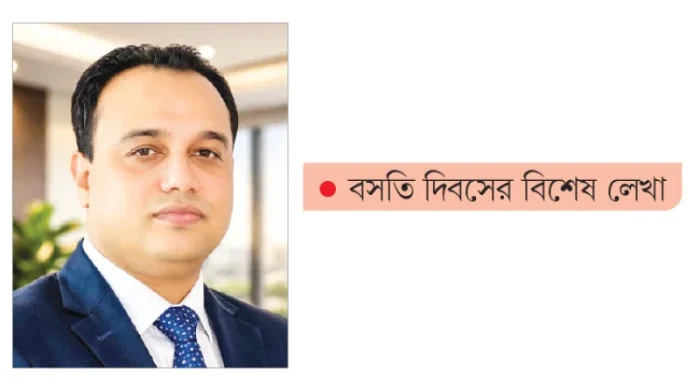
Engineer Md. Saiful Islam
Deputy Chief Executive Officer (Deputy CEO)
Rupayan Housing Estate Limited
Housing is one of the fundamental needs of human beings and a key pillar of sustainable urban development. With rapid urbanization, increasing population density and the concentration of economic activities in major cities, ensuring affordable, safe, quality and dignified housing for all has emerged as a major national challenge for Bangladesh.
Affordable Housing Without Compromising Quality
Rising land prices, construction material costs, financing expenses and development costs are making homeownership increasingly difficult for low- and middle-income people. Long-term and accessible housing finance, customer-friendly installment facilities and efficient project planning can play an important role in addressing this challenge.
However, affordable housing should never mean low-quality housing. With modern technology, efficient design, large-scale construction and effective project management, it is possible to control costs while maintaining high construction standards.
Construction Costs and Skilled Workforce
The prices and availability of construction materials, including steel, cement, glass, aluminium, electrical and sanitary products, have a direct impact on project costs. Therefore, greater attention should be given to ensuring stable supply chains, rational import policies, faster customs clearance and strengthening domestic production capacity.
At the same time, greater investment is needed to develop skilled engineers, architects, technical professionals and trained construction workers. A skilled workforce is the long-term foundation for construction quality, safety and productivity.
Planned Urbanization Beyond Dhaka
Development centered solely around Dhaka is not sustainable in the long run. Planned new urban centers and satellite cities should be developed in different parts of the country, providing not only housing but also employment opportunities, education, healthcare, transportation and other civic facilities.
Bangladesh needs to move beyond a situation where people are compelled to live in Dhaka simply for employment. Multi-centered and decentralized urbanization can become one of the country’s key development strategies for the future.
Responsible Role of the Private Sector
The private sector has an essential role to play in meeting the country’s growing housing demand. A responsible housing developer does not simply construct buildings; rather, it integrates planning, architecture, engineering, infrastructure, quality control, customer service and community development.
Alongside government policy and infrastructure support, private-sector developers must remain committed to quality, transparency, affordability, safety and sustainability.
Rupayan’s Commitment
As one of Bangladesh’s leading real estate developers, Rupayan Housing Estate Limited is working to develop housing solutions for people from different income groups while also creating modern commercial spaces to support the country’s growing business activities.
The company’s objective is to ensure sustainable and customer-focused development through improved construction standards, modern architecture, skilled engineering and construction teams, professional project management and strong quality-control systems.
Future developments must place greater emphasis on safety, regulatory compliance, energy efficiency and environmentally responsible construction practices.
Need for a Fast and Effective Regulatory Framework
The growth of the housing sector requires a predictable, transparent, efficient and investment-friendly policy environment. Long-term housing finance, policy support for affordable housing, improved infrastructure and planned urbanization beyond Dhaka should be given national priority.
The policy approach should be based on the principle of “strict regulation, simpler procedures; faster approvals, strict compliance.” Development-friendly policies must never come at the expense of safety.
Digital approvals, integrated clearances and one-stop services can significantly reduce project implementation time and costs, ultimately benefiting both homebuyers and the wider economy.
Future Housing: More Than Buildings, Livable Cities
Bangladesh’s urban development must gradually move from a Dhaka-centric model toward multi-city, mixed-use and decentralized development. Technology, environmentally friendly construction, sustainable development and improved customer service will be among the key drivers of the future housing sector.
Therefore, housing developers should not be viewed merely as “property sellers.” They should be recognized as urban developers, community builders and responsible partners in planned urban development.
On World Habitat Day, the commitment should be to build a housing system through coordinated efforts among the government, regulatory authorities, financial institutions and the private sector—one that ensures safe, quality, sustainable and dignified housing within people’s financial means.
“Housing is not merely a flat; it is a family’s security, a person’s dream for the future and the foundation of a country’s planned urbanization.”