Staff Correspondent :
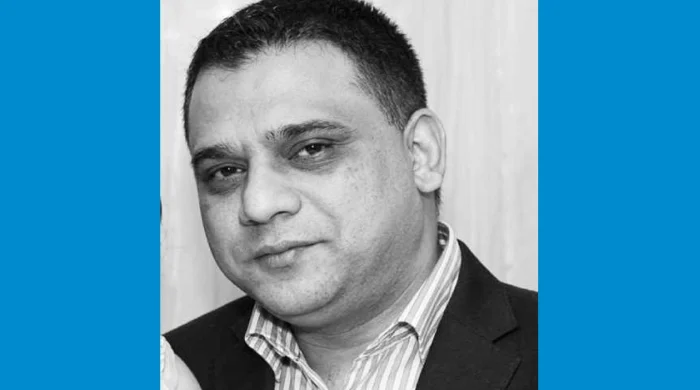
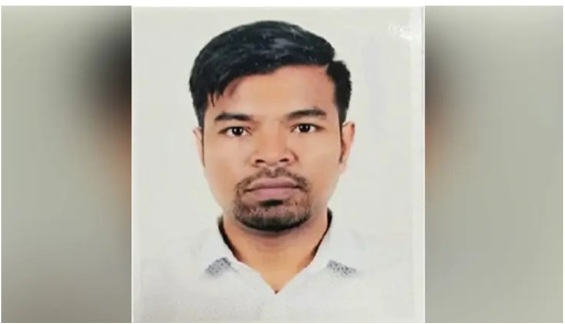
Serious allegations of abuse of power, bribery, and accumulation of wealth beyond known sources of income have been raised against Md. Sarwar Hossain, an Assistant Revenue Officer of the National Board of Revenue (NBR). Although the claims have sparked discussion within administrative circles, no government investigation or judicial ruling has yet confirmed their validity.According to the allegations, Sarwar Hossain, who joined government service in 2018 as a non-cadre officer, accumulated significant influence while serving at Mongla Customs House, Dhaka North VAT Commissionerate, and the Customs Intelligence and Investigation Directorate. Complainants claim that he used his connections with senior officials to establish a strong network of influence within customs stations and the business community, allegedly enabling him to obtain unlawful financial benefits.The allegations further state that the assets reportedly owned by Sarwar Hossain appear disproportionate to his official salary and declared sources of income. Among the claims are the purchase of a luxury apartment in an upscale area of Dhaka worth nearly Tk 20 million, the construction of a lavish residence in his home district of Barguna at a cost of several crores of taka, and substantial assets and luxury vehicles registered in the name of his wife. Critics allege that these assets were accumulated through intimidation of businesspersons and threats of administrative action.However, no publicly available engineering valuation, land records, banking documents, or other verified evidence has yet been presented to substantiate these claims. Observers note that the apparent gap between the officer’s visible wealth and his official earnings has raised broader questions about transparency and accountability within the public sector.
Additional allegations suggest that Sarwar Hossain may have exercised undue influence over posting and transfer decisions to secure favorable assignments. Nevertheless, under established legal principles, allegations alone cannot be treated as proof of wrongdoing. Any determination regarding the authenticity of his assets and financial transactions would require a formal investigation by the Anti-Corruption Commission (ACC) or the relevant authorities of the NBR.Experts emphasize that any inquiry should ensure both transparency and due process, including the accused official’s right to defend himself. They argue that an impartial review of tax records, bank statements, and property ownership documents would be essential to establishing the facts.
The controversy surrounding Sarwar Hossain highlights a broader issue concerning transparency and accountability in the asset accumulation of public officials. If the allegations prove unfounded, it is important that the matter be clarified to protect the official’s reputation. Conversely, if wrongdoing is established, authorities would be expected to take appropriate legal action.As public confidence in revenue-collecting institutions remains closely linked to integrity and accountability, observers stress that a prompt, independent, and transparent investigation is necessary to determine the truth and reinforce trust in public administration.