Special Correspondent:
Prime Minister Tarique Rahman has increasingly been viewed by many marginalized and rural communities as a leader who understands their struggles and aspirations, bringing renewed hope to people who have long felt neglected by mainstream politics.
For decades, a large segment of Bangladesh’s grassroots population has faced economic hardship and limited access to opportunities. These communities, despite their significant contribution to the country’s agricultural production and overall development, have often remained outside the focus of political attention except during election periods.
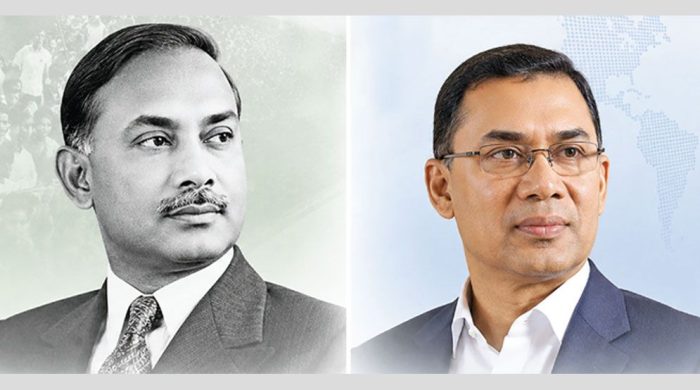
According to political observers and local residents, this situation is beginning to change under Tarique Rahman’s leadership. Many see him as continuing the political philosophy of his father, former President Ziaur Rahman, who emphasized rural development and direct engagement with ordinary citizens.
Following Bangladesh’s independence, Ziaur Rahman sought to shift political attention from urban centers to rural areas, recognizing villages as the foundation of the nation’s economy. During his tenure from 1977 to 1981, he promoted self-reliance, local resource utilization, rural infrastructure development, and grassroots empowerment. His initiatives, including nationwide canal excavation projects and community-based development programs, left a lasting impact on rural Bangladesh.
Supporters argue that Tarique Rahman has embraced a similar approach. Long before assuming the country’s highest executive office, he worked to strengthen grassroots participation in politics. Between 2002 and 2006, he organized district and upazila-level “Grassroots Conferences,” encouraging local leadership and direct engagement with farmers, workers, and community representatives.
Political analysts note that Tarique Rahman continued to prioritize grassroots voices even during challenging periods for the opposition. Following the imprisonment of former Prime Minister Khaleda Zia in 2018, he maintained organizational activities through digital platforms, regularly communicating with party leaders and activists across the country.
Supporters credit this grassroots-focused strategy for helping sustain and strengthen the party during years of political adversity. They argue that his emphasis on local participation and organizational development has contributed significantly to the party’s resilience.
Since taking office, Tarique Rahman has continued visiting remote regions across the country, from Teknaf in the south to Tetulia in the north, listening to citizens’ concerns and directing efforts toward addressing local challenges. His visits to rural communities and underserved areas have been welcomed by many residents who say they feel their voices are finally being heard.
Tarique Rahman has repeatedly emphasized the importance of rural development, maintaining that Bangladesh’s overall progress depends on the advancement of its villages and grassroots communities. For many people living in remote and marginalized areas, his leadership is seen as a source of renewed optimism and a promise of greater inclusion in the nation’s development journey.
As Bangladesh moves forward, supporters believe that a stronger focus on grassroots empowerment and rural development could play a vital role in building a more equitable and prosperous future for all citizens.